

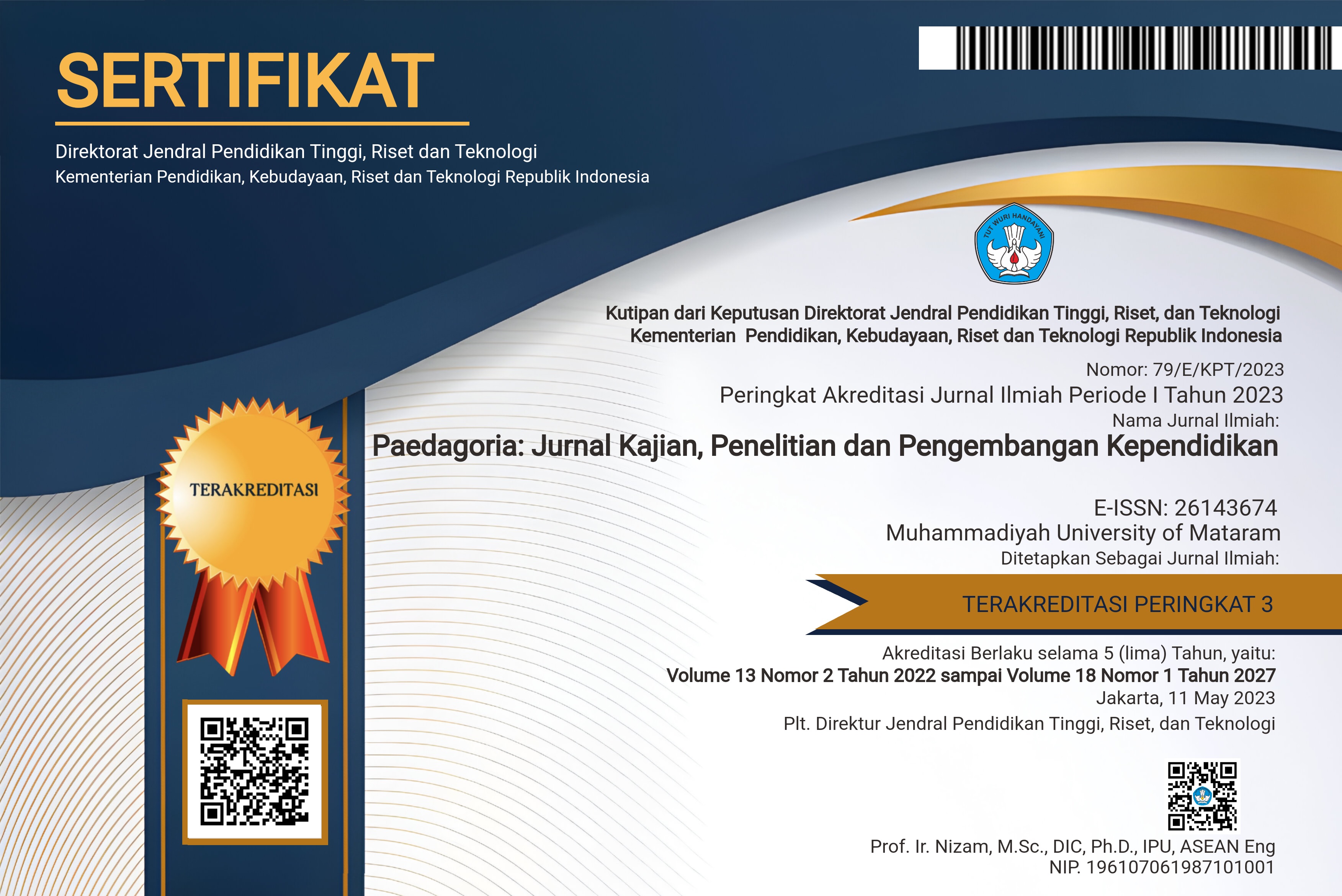



Characteristics of Students as Digital Natives: Opportunities and Challenges for the Guidance and Counselling Profession
Abstract
Keywords
Full Text:
PDFReferences
Bucci, S., Schwannauer, M., & Berry, N. (2019). The digital revolution and its impact on mental health care. Psychology and Psychotherapy: Theory, Research and Practice, 92(2), 277–297. https://doi.org/10.1111/papt.12222
El Rahma, Z. N., & Kholisna, T. (2021). Perception of School Guidance and Counseling Services on Students' Interest in Consulting. Psikodinamika - Jurnal Literasi Psikologi, 1(1), 1–7. https://doi.org/10.36636/psikodinamika.v1i1.582
Fadillah, D., & Long, B. (2025). Empowering Gen Z’s Mental Health in a Hyperconnected World. International Journal of Social Psychiatry. https://doi.org/10.1177/00207640251384510
Fatmilia, B., & Daharnis, D. (2022). Student’s Perception of the Function of Guidance and Counseling in Schools. Jurnal Neo Konseling, 4(2), 24. https://doi.org/10.24036/00663kons2022
Gibson, K., & Cartwright, C. (2013). Agency in young clients’ narratives of counseling: “It’s whatever you want to make of it. Journal of Counseling Psychology, 60(3), 340–352. https://doi.org/10.1037/a0033110
Habsy, B. A. (2017). Philosophy of Indonesian Guidance and Counseling Science. Journal of Education (Theory and Practice), 2(1), 1. https://doi.org/10.26740/jp.v2n1.p1-11
Julius, A., Fahriza, I., & Wulandari, P. (2020). Digital Literacy As A School Counselor Competence In The Development Of Media In Guidance Services. Jurnal Penelitian Bimbingan Dan Konseling, 5(2), 1–8. https://doi.org/http://dx.doi.org/10.30870/jpbk.v5i2.10106
Juliyah Juliyah, Romawinsa Siringoringo, Siti Rohma, & April Laksana. (2025). Generation Z's Communication Challenges in Digital Development in the 5.0 Technology Era. Jurnal Ilmu Komunikasi, Administrasi Publik Dan Kebijakan Negara, 2(1), 48–59. https://doi.org/10.62383/komunikasi.v2i1.138
Katiyar, T., Hunt, A., Orben, A., Chaudhary, N., & Jaeggi, A. V. (2026). Digital technologies and evolutionary mismatch: Harming, but also healing mental health. Psychological Review, 133(3), 666–682. https://doi.org/10.1037/rev0000593
Khairunnisa, K., Yuliansyah, M., & Aminah, A. (2020). The Relationship Between Students' Perception Of Guidance And Counseling And Students' Interest In Participating Individual Counseling In Grade VII B And D Of SMPN 15 Banjarmasin. JURNAL BIMBINGAN DAN KONSELING AR-RAHMAN, 6(2), 88. https://doi.org/10.31602/jbkr.v6i2.3265
Kinasih Khairiyah, S., Safitri, F., Wulandari, M., Zeni Susanti, P., Oktavia, S., & Ghozul Fikran, A. (2024). The Role of Guidance and Counseling Teachers in Forming the Mental Helath of Generation Z. BICC Proceedings, 2, 97–102. https://doi.org/10.30983/bicc.v1i1.111
Kumar, I. A., & Rangaswamy, R. (2024). Counseling Gen Alpha: Pandemic’s Impact on Developmental and Mental Health. International Journal For Multidisciplinary Research, 6(6). https://doi.org/10.36948/ijfmr.2024.v06i06.28829
Lakadjo, M. A., Ratu, B., Fatimah, S., Syamsu, K., Hasan, M. A., Arifyanto, A. T., & Muslim, M. R. (2025). Transformasi digital bimbingan dan konseling di sekolah. Azzia Karya Bersama.
Maifitri, D. G., & Daharnis, D. (2024). The Relationship between Students' Perceptions of the Role of Guidance and Counseling Teachers and Students' Interest in Participating in Guidance and Counseling Services. Current Issues in Counseling, 1(1).
Malelak, E. O., Taneo, J., & Riwu, V. (2024). The Use of Digital Technology in Generation Z and Alpha and Its Implications for Guidance and Counseling Services. JAMBURA Guidance and Counseling Journal, 5(2), 93–106. https://doi.org/10.37411/jgcj.v5i2.3293
Maqsood, A., Gul, S., Zahra, T., Noureen, N., & Khattak, A. (2024). From face-to-face to screen-to-screen: exploring the multifaceted dimensions of digital mental health care. Frontiers in Psychiatry, 15. https://doi.org/10.3389/fpsyt.2024.1413127
Mustaqim, A. (2019). Study of Counselor Characteristics in the Era of Disruption: Efforts to Form Millennial Counselors.KONSELING EDUKASI “Journal of Guidance and Counseling, 3(1). https://doi.org/10.21043/konseling.v3i1.5540
Naser, M. N., Hamzah, S., & Mappiare, A. (2022). Implementation Of Fan Model Counseling Work Steps In Developing The Character Of The Alpha Generation. Edu Consilium : Jurnal Bimbingan Dan Konseling Pendidikan Islam, 3(2), 106–119. https://doi.org/10.19105/ec.v3i2.6852
Navarro, P., Sheffield, J., Edirippulige, S., & Bambling, M. (2020). Exploring Mental Health Professionals’ Perspectives of Text-Based Online Counseling Effectiveness With Young People: Mixed Methods Pilot Study. JMIR Mental Health, 7(1), e15564. https://doi.org/10.2196/15564
Nurlaila, C., Aini, Q., Setyawati, S., & Laksana, A. (2024). The Dynamics of Gen Z Behavior as an Internet Generation. Konsensus : Jurnal Ilmu Pertahanan, Hukum Dan Ilmu Komunikasi, 1(6), 95–102. https://doi.org/10.62383/konsensus.v1i6.464
Pane, R. M. (2020). Characteristics of Counselees and Their Problems in Counseling Guidance. Thariqah Ilmiah: Jurnal Ilmu-Ilmu Kependidikan Dan Bahasa Arab, 6(2), 137–148. https://doi.org/10.24952/thariqahilmiah.v6i2.2812
Rachmaniar, A. (2021). Parenting Patterns in the Digital Era. Journal of Education and Counseling, 2(1), 148–158.
Rudianto, Z. N. (2022). The Influence Of Health Literacy On Mental Health Awareness Of Generation Z During The Pandemic. Jurnal Pendidikan Kesehatan, 11(1), 57. https://doi.org/10.31290/jpk.v11i1.2843
Ruri Keristanti, Wahyuni Juliani, & Muhammad Arifin. (2025). Personalized Learning for Generation Z: Opportunities and Challenges.. DIAJAR: Jurnal Pendidikan Dan Pembelajaran, 4(3), 411–417. https://doi.org/10.54259/diajar.v4i3.4419
Shaikh, A. N., Westcott, J. B., Franck Love, S., Flynn, L., Chang, C. Y., & Mize, M. C. (2024). Examining Help-Seeking Intentions Among Generation Z College Students. Journal of College Student Mental Health, 38(3), 500–518. https://doi.org/10.1080/87568225.2023.2198155
Sugitri, P., & Marjo, H. K. (2022). Exploration of Attachment Styles on Counselor Personal Qualities in Providing Counseling Services. Jurnal Sains Sosio Humaniora, 6(2), 190–198. https://doi.org/10.22437/jssh.v6i2.22907
Wibowo, M. E. (2018). The 21st century counseling profession. UnnesPress.
DOI: https://doi.org/10.31764/paedagoria.v17i3.38679
Refbacks
- There are currently no refbacks.
Copyright (c) 2026 Andre Julius, Muthahharah Thahir, Dwi Risma Sari

This work is licensed under a Creative Commons Attribution-ShareAlike 4.0 International License.
Paedagoria : Jurnal Kajian, Penelitian dan Pengembangan Kependidikan
Fakultas Keguruan & Ilmu Pendidikan | Universitas Muhammadiyah Mataram.

_______________________________________________
 |
Paedagoria : Jurnal Kajian, Penelitian dan Pengembangan Kependidikan |

______________________________________________
CURRENT INDEXING:










EDITORIAL OFFICE: